OEM and replacement supply
Commercial Refrigeration Glass Door Systems Manufacturer
YTD supplies cooler glass doors, freezer heated glass doors, walk-in cooler door systems, and replacement door assemblies for OEM programs, retrofit projects, and refrigeration equipment buyers.
- Factory-backed manufacturing
- Custom sizes and door assemblies
- OEM and replacement supply
2014
Established
100+
Employees
6+
Production lines
Export-oriented
Export countries
15,000+
Factory area (sqm)
Commercial Refrigeration Glass Doors Manufacturer
What does YTD manufacture?
YTD Glass Door Systems manufactures commercial refrigeration glass doors and door systems. Our product range includes cooler glass doors, freezer heated glass doors, walk-in cooler and freezer glass door systems, replacement refrigeration glass doors, insulated glass units for refrigeration, aluminum frame door assemblies, as well as hinges, handles, gaskets, and accessories. View our full catalog in Products.
Brand note: YTD Glass Door Systems refers to Shandong Yongtengda's commercial refrigeration glass door supply, not architectural balcony doors, residential patio doors, windows, or building facade door systems.
Who does YTD supply?
We are a dedicated B2B manufacturer supplying OEM commercial refrigerator manufacturers, replacement door buyers, cold room contractors, supermarket refrigeration project companies, and refrigeration parts distributors overseas. Learn more about our manufacturing capabilities in the Factory section.
Which applications are covered?
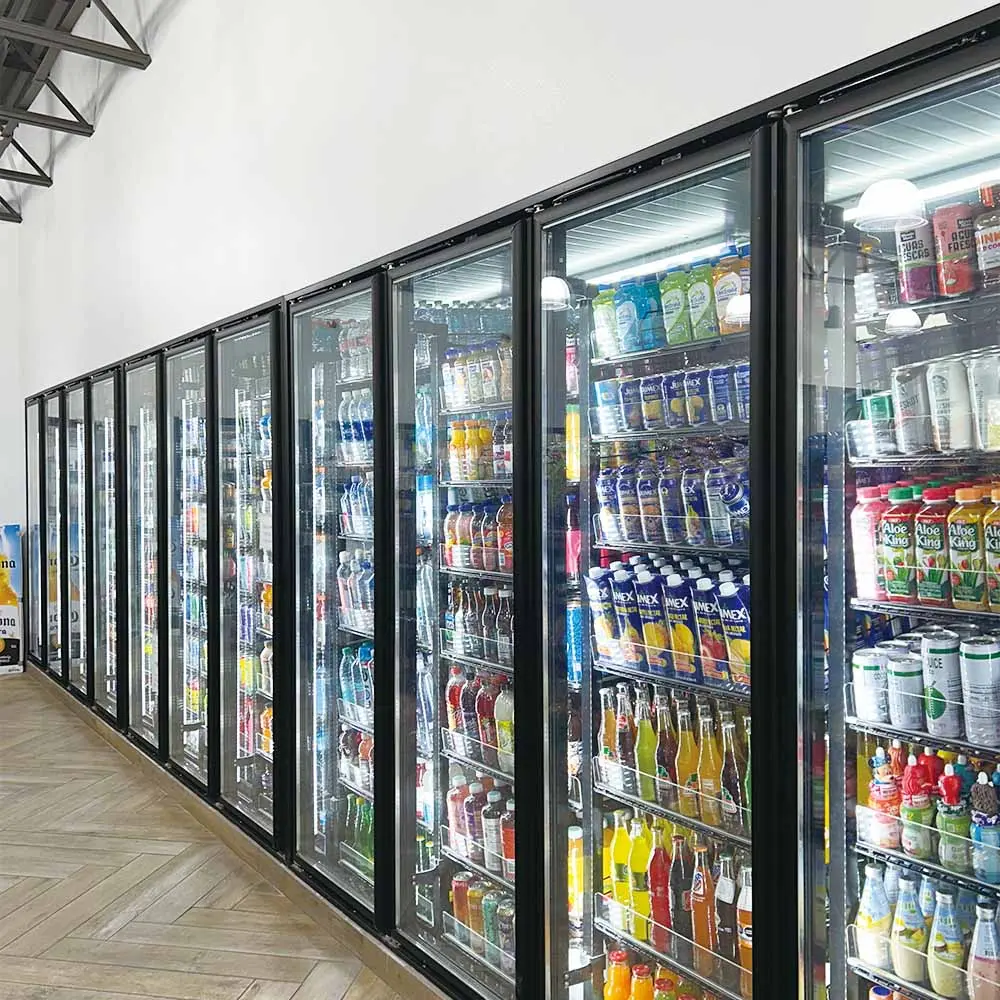
Our doors are engineered for commercial refrigerators, upright coolers, commercial freezers, refrigerated display cabinets, supermarket refrigeration, walk-in coolers and freezers, convenience store beverage coolers, and food processing and cold chain equipment.
Why work with a factory-backed supplier?
Working directly with a manufacturer ensures strict quality control (see our Quality processes), consistent production lead times, and reliable technical support. We provide complete drawings, technical datasheets (available in Downloads), and sample availability prior to bulk OEM production.
What information is needed for quotation?
Please prepare this RFQ checklist for faster processing:
- Door size
- Operating temperature
- Cooler or freezer application
- Glass configuration
- Heating requirement
- Voltage
- Frame color
- Hinge side
- Handle type
- Gasket requirement
- Quantity
- Drawing or sample availability
Technical Matching Before Quotation
Commercial refrigeration glass doors are not priced only by size. Glass construction, Low-E coating, heating method, voltage, frame profile, gasket, hinge, packing, and destination requirements all affect the final quotation. YTD reviews these details before offering a quotation to OEM, distributor, and project buyers.
- Cooler, freezer, and walk-in applications require different configurations.
- Heating and voltage must be confirmed for freezer doors.
- Packing and container loading should be reviewed for export orders.
Procurement Pages
These pages are written for OEM buyers, replacement door buyers, and project teams. Use them when you need clearer guidance on door size confirmation, glass structure, heating requirement, or export packing risk control.
OEM commercial refrigeration glass door systems
Drawing-based supply for cabinet manufacturers, including sample confirmation and batch control.
Replacement cooler and freezer glass doors
Replacement matching by opening size, hinge side, gasket profile, and handle details.
Cooler door vs freezer door
Compare temperature range, double-pane vs triple-pane IGU, and condensation-control requirements.
Why freezer doors need heated glass
Understand when heated glass and frame heating are required for freezer applications.
Commercial refrigeration glass door RFQ guide
Prepare your RFQ with door size, voltage, quantity, drawings, packing, and lead-time checkpoints.
Hot Products
Frequently specified items for walk-in cooler and freezer programs.
Classic Aluminum Frame Glass Door
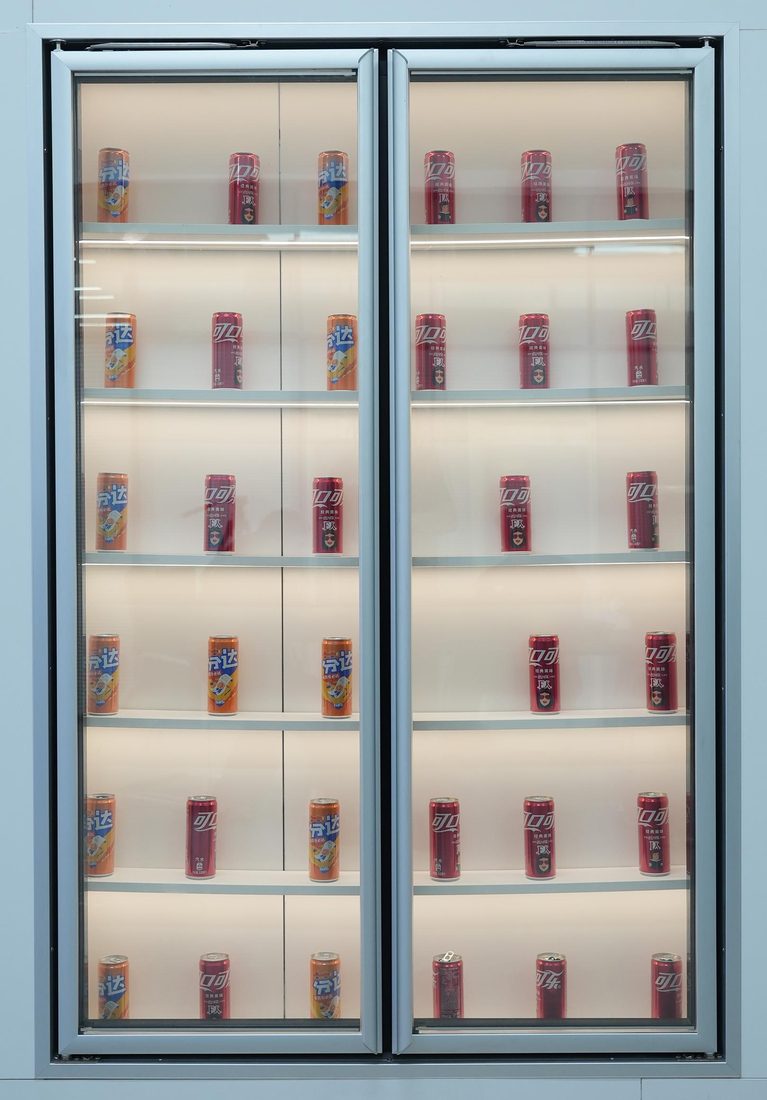
The baseline reach-in glass door: a classic aluminum-alloy heated frame with heated tempered Low-E glass and argon fill, in a 2-pane cooler or 3-pane freezer build. A proven, widely used profile for upright display coolers and OEM cabinets, offered in classic black or silver frame finishes.
Frameless Full-View Glass Door
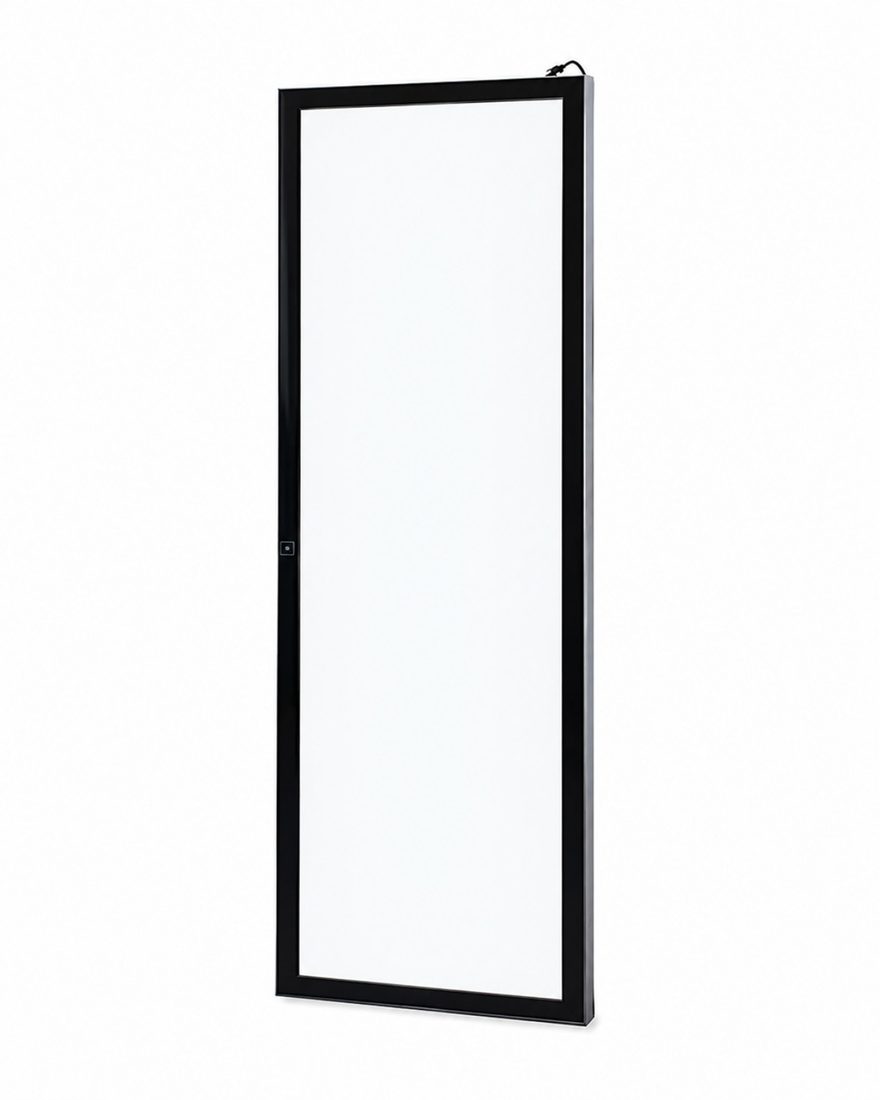
Frameless full-view door that removes the visible frame for an uninterrupted glass display face, with heated 2-pane (cooler) / 3-pane (freezer) Low-E glass, aluminum spacer and anti-fog / anti-condensation performance. A strong magnetic gasket and self-close keep insulation tight despite the minimal framing.
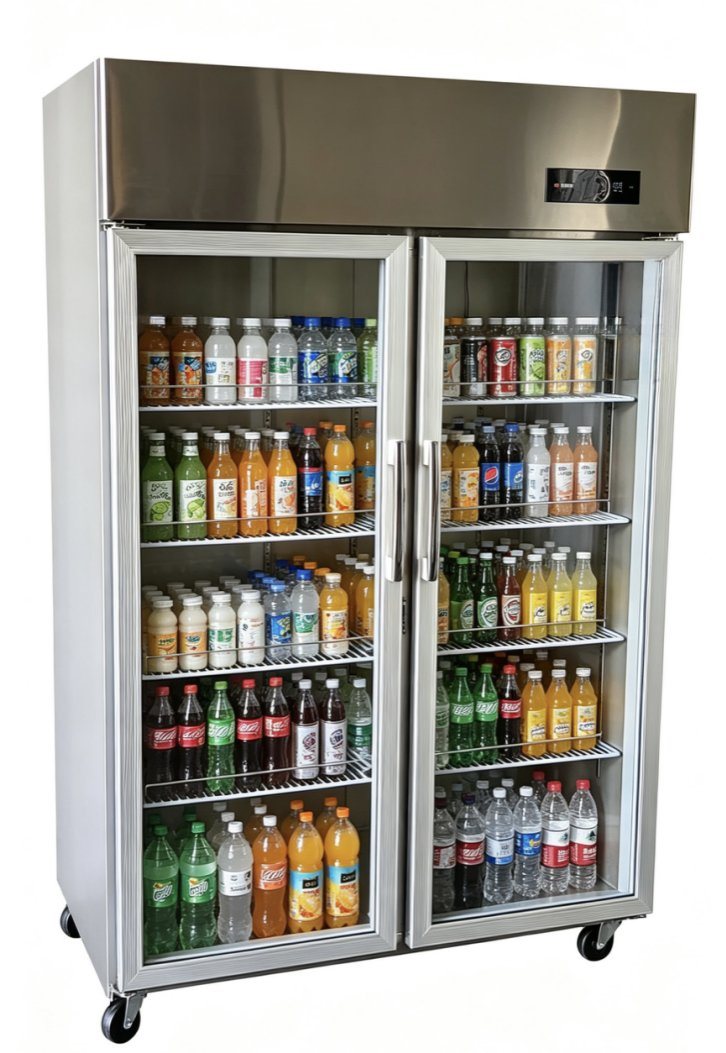
Stainless Steel Frame Glass Door
Professional-grade stainless steel frame door with a fine brushed finish, rigid 90-degree mitered corners and a vertical stainless handle, on tempered insulated glass with argon. The corrosion-resistant, easy-to-clean stainless build suits commercial kitchens and high-hygiene environments.
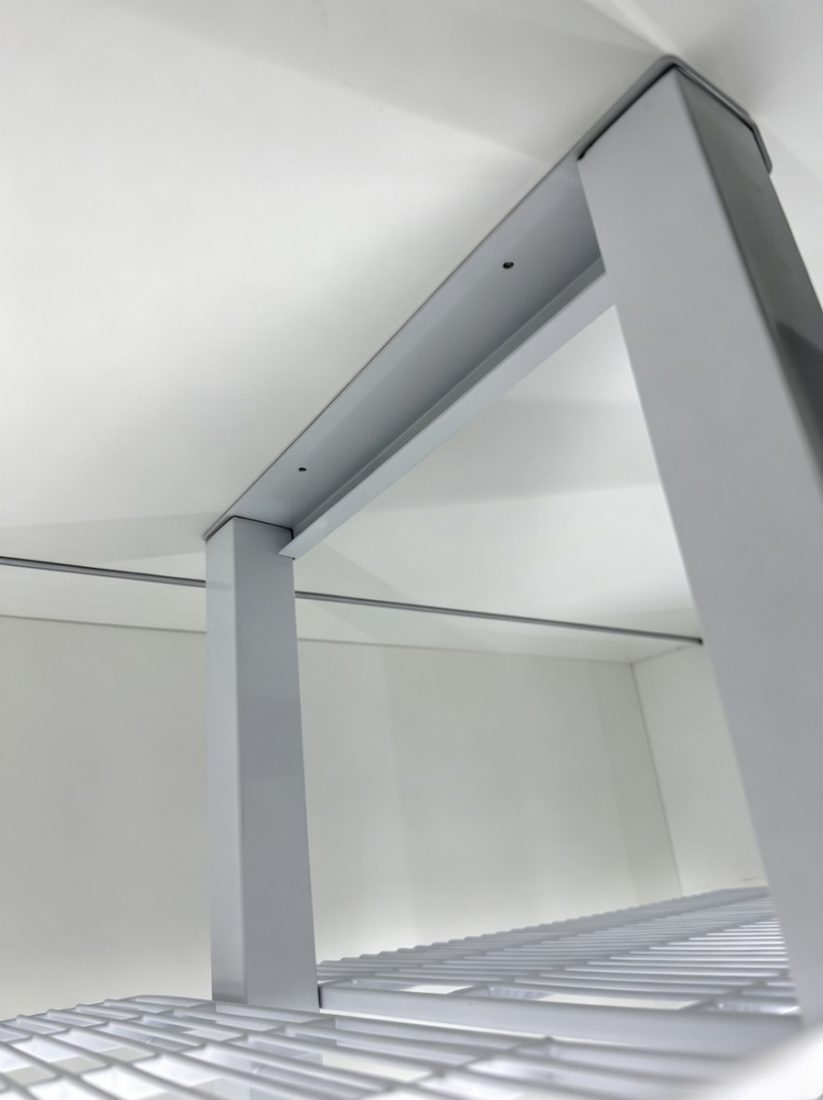
Walk-In Cold Room
Walk-in cold room system built from PU or PIR high-density insulation panels (50–200 mm) with tongue-and-groove easy-mount joints, electric heated anti-fog glass doors and heavy-duty modular display shelving, sized to custom walk-in dimensions. A complete display cold room rather than a single door.
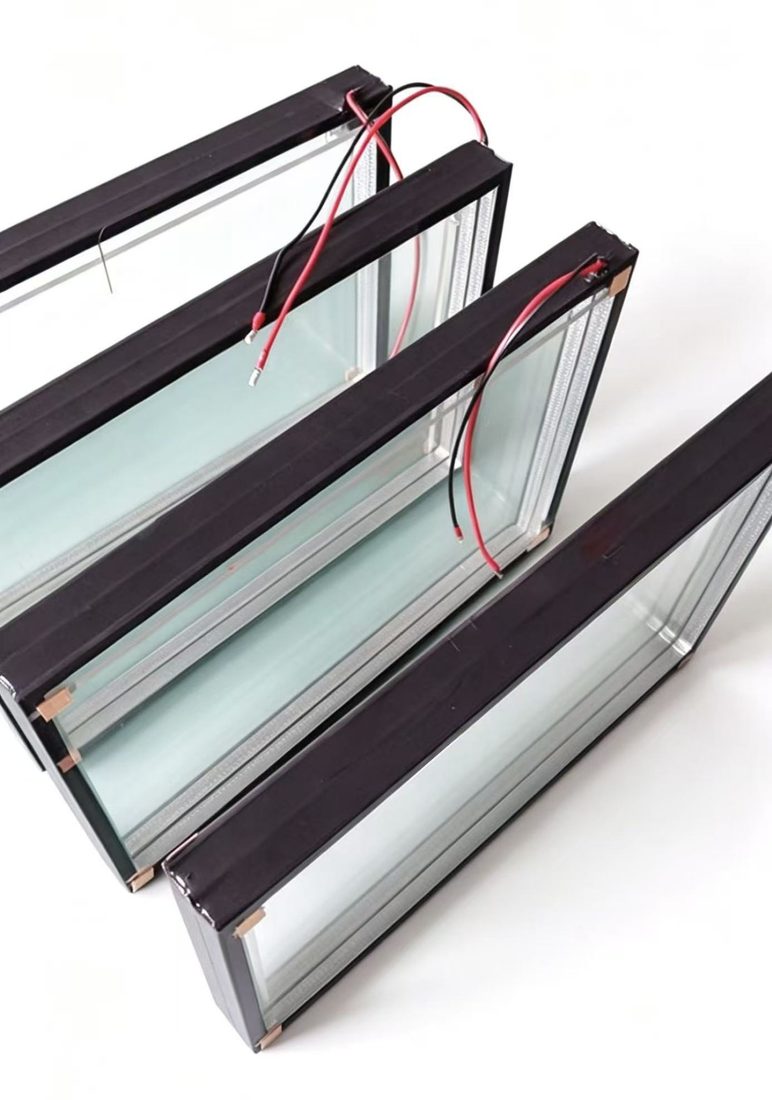
Insulated Glass Unit
Insulated glass unit (IGU) for refrigeration doors: 4mm high-performance tempered glass in single or double hollow-cavity structures, argon filled with 3A molecular-sieve desiccant and aluminum, PVC or acrylic spacer options. Supports electric heated busbar or electrode and custom Low-E coating and silk-screen logos — component glass for door makers.
Why OEM Buyers Work With Us
Program-level capabilities for consistent, documented supply.
OEM Program Support
- Spec locking & revision control
- Sampling & qualification workflow
- Packaging standardization per buyer spec
- Dedicated project engineer
Quality & Testing
- IQC / IPQC / FQC inspection gates
- 100 % heater continuity test
- IGU seal & desiccant verification
- Test reports available upon request
Supply Stability
- Production planning aligned to forecasts
- Controlled BOM & approved supplier list
- Raw material buffer inventory
- Lead time confirmed during quotation
Product Categories
Browse by product line.
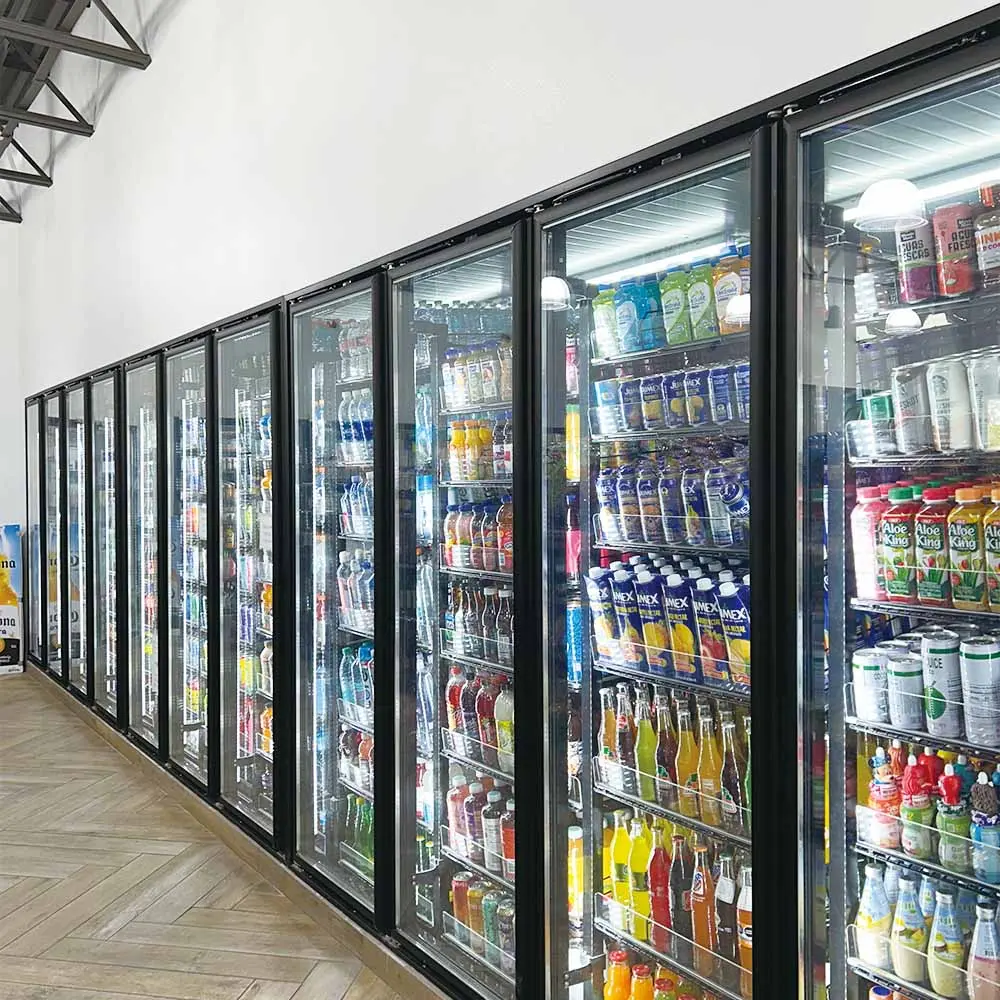
Reach-In Glass Doors
Glass door assemblies for commercial reach-in coolers and freezers. Aluminum frame, frameless, heated, and retrofit options.
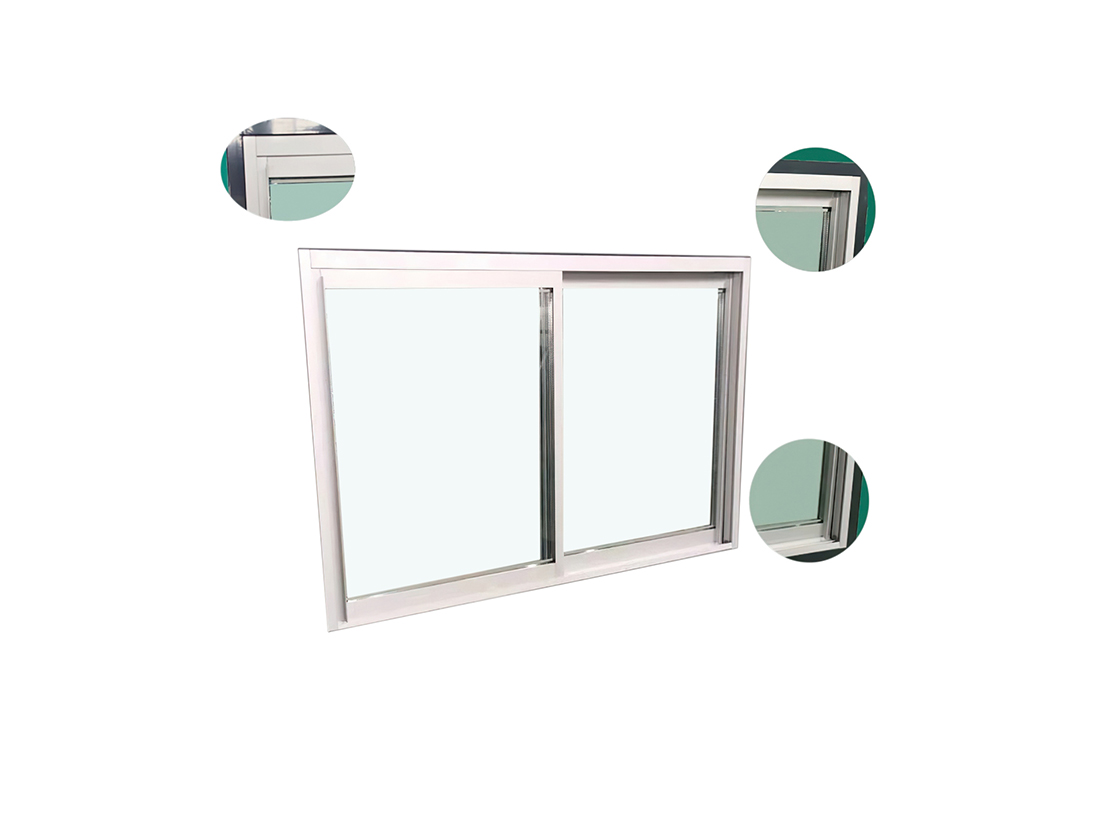
Specialized Display Door Options
Project-based and configurable door solutions: sliding glass doors, outside-mount doors, LED logo doors, and display integration options.
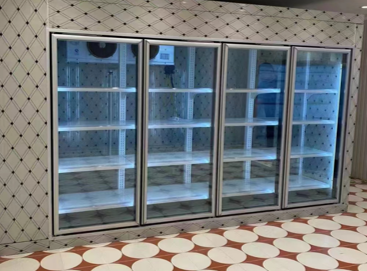
Walk-In Cold Room Doors
Integrated door systems for walk-in coolers, freezers, and cold storage. Display doors, service entries, and inspection windows.
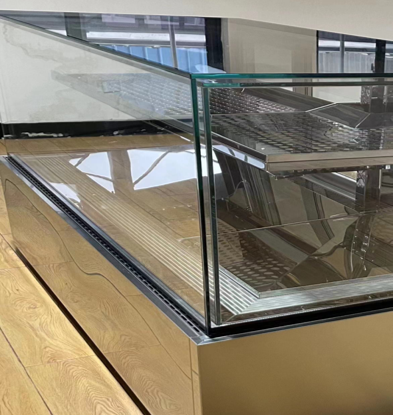
Glass Assemblies
Custom-fabricated insulated glass units (IGU) for cooler and freezer applications. Low-E coated, argon-filled, tempered, and energy-saving configurations.
Documentation
Public procurement brief and project-specific technical document requests.
| Document | Type | Revision | Date | Access |
|---|---|---|---|---|
| YTD Procurement Brief 2026 | — | — | Download PDF | |
| GD-30×72-H Datasheet | Datasheet | — | — | Ask about availability |
| GD-30×72-H Drawing | Drawing | — | — | Ask about availability |
| SD-36×84 Cooler Datasheet | Datasheet | — | — | Ask about availability |
| Installation Guide — Glass Doors | Guide | — | — | Ask about availability |
| Quality Inspection Report Template | QC | — | — | Ask about availability |
Download published files directly. Other documents and revisions need confirmation for your project.
View full document libraryRequest a Quote
For accurate quoting, share door opening size, application temperature range, heating requirement, and quantity.